Sound design is not merely an accessory to visual media – it is the heartbeat that infuses life, emotion, and depth into every frame. Imagine a film scene where the rustling of leaves in a breeze feels so real you can almost smell the earth, or a video game where each footstep echoes with weight and purpose. This is the power of sound design. Yet, mastering this art requires more than just technical skills; it demands a deep understanding of auditory perception, creativity, and a commitment to continuous learning. In this article, we’ll explore effective approaches to learning sound design techniques that can elevate your multimedia projects, all while aligning with the New Jersey Student Learning Standards (NJSLS) for Visual and Performing Arts.
Understanding the Fundamentals of Sound Design
Before diving into complex techniques, it’s crucial to grasp the basics of sound design. Sound design encompasses the creation, manipulation, and integration of audio elements to enhance storytelling in various media forms. This includes everything from the subtle hum of a distant engine to the dramatic crescendo of an impending storm. Understanding these fundamentals allows you to craft sounds that resonate with the audience, evoking the intended emotions and reactions. According to the NJSLS-VPA, students are expected to demonstrate proficiency in creating and refining artistic works, which in the context of sound design, translates to developing a keen ear for detail and an understanding of how sound influences perception and narrative.
Exploring the Role of Sound in Multimedia
Sound plays a pivotal role in multimedia experiences, serving as more than just an accompaniment to visuals. It guides the audience’s emotions, enhances storytelling, and creates an immersive environment. Whether it’s the suspenseful silence before a jump scare in a horror film or the triumphant music accompanying a hero’s victory, sound shapes the audience’s experience. The NJSLS-VPA emphasizes the importance of connecting and evaluating how the arts convey meaning, highlighting the integral role of sound in conveying narrative and emotion in multimedia projects.
Experimenting with Sound Sources and Techniques
One of the most effective ways to learn sound design is through experimentation. Start by recording everyday sounds – footsteps, door creaks, or the rustling of paper – and manipulate them using audio editing software. Layer these sounds, adjust their pitch, apply effects, and observe how each change alters the perception of the sound. This hands-on approach fosters creativity and helps you understand the nuances of sound manipulation. The NJSLS-VPA encourages students to explore and refine their artistic processes, making experimentation a valuable tool in developing sound design skills.
Utilizing Digital Audio Workstations (DAWs)
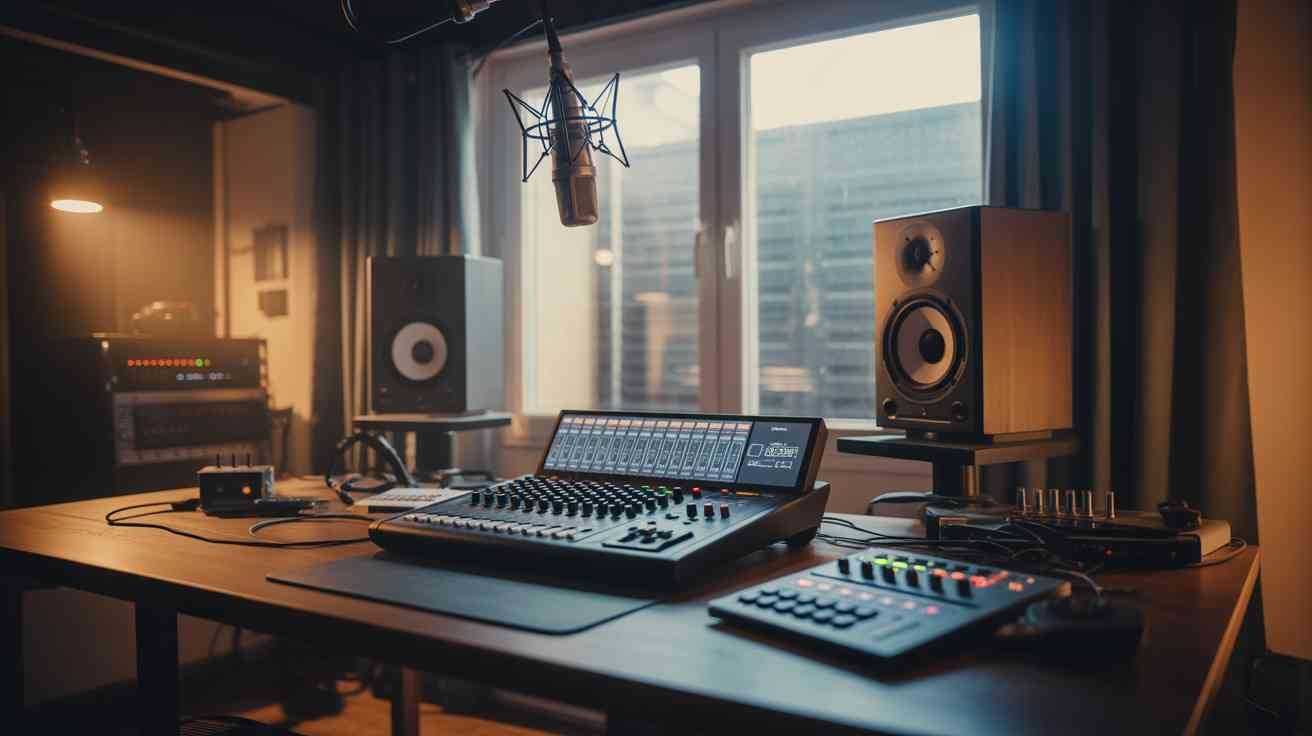
Digital Audio Workstations are essential tools for modern sound design. They provide a platform to record, edit, and mix audio, offering a plethora of tools and effects to shape your sound. Familiarize yourself with popular DAWs like Ableton Live, Logic Pro, or Pro Tools. Learn their interfaces, explore their features, and practice creating and manipulating sounds within these environments. Mastery of DAWs is crucial for efficient and effective sound design, aligning with the NJSLS-VPA’s focus on developing technical proficiency in artistic disciplines.
Incorporating Sound Design into Multimedia Projects
Integrating sound design into multimedia projects requires a strategic approach. Start by understanding the narrative and emotional tone of your project. Choose sounds that complement and enhance these elements. For instance, a soft piano melody might underscore a tender moment, while a deep bass rumble could heighten tension. The NJSLS-VPA highlights the importance of creating works that reflect various perspectives and contexts, encouraging sound designers to consider cultural and emotional nuances in their work.
Seeking Feedback and Collaboration
Sound design is both a solitary and collaborative endeavor. While individual practice is essential, seeking feedback from peers and collaborating with others can provide new insights and perspectives. Join online communities, attend workshops, and engage with other sound designers to share your work and receive constructive criticism. Collaboration fosters growth and exposes you to diverse techniques and ideas, enriching your sound design skills. The NJSLS-VPA advocates for collaboration and communication in the arts, underscoring the value of collective learning and feedback.
Staying Updated with Industry Trends and Technologies
The field of sound design is constantly evolving, with new technologies and techniques emerging regularly. Stay informed about industry trends by reading articles, attending webinars, and experimenting with new tools and software. Understanding and adopting these advancements can enhance your work and keep your skills relevant in a competitive field. The NJSLS-VPA encourages continuous learning and adaptation, emphasizing the importance of staying current with developments in artistic disciplines.
Building a Portfolio to Showcase Your Work
A well-curated portfolio is vital for demonstrating your sound design abilities to potential clients or employers. Include a diverse range of projects that showcase your skills and creativity. Provide context for each piece, explaining the narrative and emotional objectives, and how your sound design choices supported these elements. A strong portfolio reflects your proficiency and understanding of sound design principles, aligning with the NJSLS-VPA’s emphasis on creating and presenting artistic works.
Embracing the Journey of Continuous Improvement
Sound design is an ongoing journey of learning and growth. Embrace challenges, seek out new experiences, and remain open to feedback. The more you immerse yourself in the craft, the more proficient and innovative you will become. Remember, mastery is not an endpoint but a continuous process of exploration and refinement. The NJSLS-VPA supports this mindset, encouraging students to engage in reflective practices and strive for excellence in their artistic endeavors.