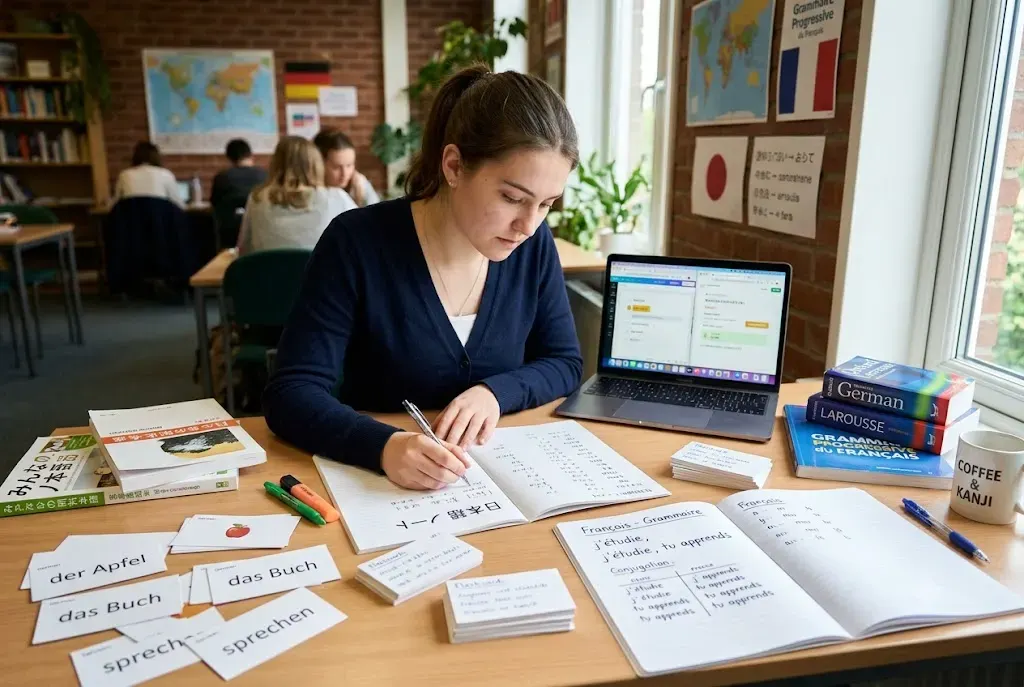
Many ambitious learners ask, can you learn two languages at once? The short answer is yes. Thousands of people around the world successfully study multiple languages simultaneously. However, success depends on realistic expectations, effective planning, and consistent study habits.
Learning two languages at the same time can be rewarding, especially if your personal, academic, or professional goals require multilingual communication. While it may take additional effort, the right approach can help you make steady progress in both languages without becoming overwhelmed.
The key is understanding how multilingual learning works and building a system that supports long-term success.
Is It Possible to Learn Two Languages at Once?
One of the most common concerns among learners is whether it is actually realistic to study two languages simultaneously.
The answer is yes. In fact, many students, professionals, immigrants, and language enthusiasts regularly learn multiple languages during the same period.
However, studying two languages at once does not mean dividing your attention randomly between them. Successful learners create structured plans that give each language a clear purpose and dedicated study time.
When managed properly, learning two languages at once can strengthen overall language-learning skills and improve cognitive flexibility.
Benefits of Learning Two Languages at Once
Greater Language Learning Experience
Studying multiple languages teaches learners how to adapt to different grammar systems, vocabulary patterns, and communication styles.
Over time, this experience often makes future language learning easier.
Improved Cognitive Skills
Research has shown that multilingual learners frequently develop stronger problem-solving abilities, memory skills, and mental flexibility.
Managing more than one language encourages the brain to process information efficiently.
More Motivation and Variety
Some learners become bored when studying a single language exclusively. Learning two languages can add variety and keep motivation high.
If interest temporarily decreases in one language, the other can help maintain learning momentum.
Professional and Personal Advantages
In today’s global environment, multilingual communication can create opportunities in business, education, travel, and international networking.
Challenges of Learning Multiple Languages at Once
Although learning two languages at once is possible, it is important to understand the challenges involved.
Language Interference
One of the most common issues occurs when learners accidentally mix vocabulary or grammar from different languages.
This is especially common when studying closely related languages.
For example, someone learning Spanish and Italian simultaneously may occasionally confuse similar words or sentence structures.
Limited Study Time
Most people have busy schedules. Dividing study time between two languages can reduce the total exposure each language receives.
As a result, progress may be slower compared to focusing on a single language.
Mental Fatigue
Managing multiple learning systems requires concentration and discipline. Without a structured plan, learners may feel overwhelmed.
How to Successfully Learn Two Languages at Once
Choose Different Types of Languages
Many language experts recommend selecting languages that are clearly different from one another.
For example, combining Spanish and Japanese may reduce confusion because the vocabulary, grammar, and pronunciation systems are very different.
Studying two closely related languages can be more challenging for beginners.
Assign Different Learning Goals
Each language should have a specific purpose.
For example:
- Language A for work or career development
- Language B for travel or personal interest
Clear goals help maintain motivation and prioritize study activities.
Use Separate Study Sessions
Rather than switching constantly between languages, dedicate separate study blocks to each one.
This approach helps your brain remain focused and reduces language interference.
Many learners prefer studying one language in the morning and another later in the day.
Create a Balanced Study Schedule
A realistic schedule is one of the most important factors in multilingual success.
For example:
- 30 minutes of Language A practice
- 30 minutes of Language B practice
- Weekly speaking sessions for both languages
- Regular listening and reading activities
Consistency matters more than intensity. Even short daily sessions can produce meaningful progress over time.
If you are building an independent study routine, our guide on how to learn a language on your own provides practical strategies for organizing effective self-study plans.
Can You Learn Multiple Languages at Once as a Beginner?
Many beginners wonder whether they should start with two languages immediately.
The answer depends on your available time, motivation, and learning experience.
For complete beginners, focusing on one language first may be easier. Establishing strong study habits in one language can create a foundation for future multilingual learning.
However, motivated learners with clear goals and sufficient study time can successfully manage two languages from the beginning.
How Much Time Do You Need?
The amount of study time required varies significantly based on language difficulty, learning goals, and study quality.
Because attention is divided between two languages, reaching fluency may take longer than studying a single language.
Our article on how many hours does it take to learn a language explains the typical time investment required to reach different proficiency levels.
Use Different Learning Resources for Each Language
Another effective strategy is to create clear separation between languages.
Consider using:
- Different notebooks
- Separate apps
- Distinct study locations
- Unique media sources
- Individual learning goals
This separation helps your brain organize information more efficiently.
Should One Language Be the Priority?
In many cases, yes.
Some learners assign approximately 70% of their study time to a primary language and 30% to a secondary language.
This approach helps maintain progress while preventing overload.
As proficiency increases, study time can become more balanced.
Common Mistakes to Avoid
Choosing Two Extremely Difficult Languages
Starting two highly challenging languages simultaneously may increase frustration and slow progress.
Using the Same Materials for Both Languages
Mixing resources can create confusion and make organization more difficult.
Ignoring Speaking Practice
Regular speaking opportunities remain essential regardless of how many languages you study.
Expecting Immediate Results
Learning multiple languages requires patience and realistic expectations.
Can Learning Two Languages Improve Overall Fluency Skills?
Interestingly, many multilingual learners report that studying multiple languages improves their overall language-learning abilities.
As learners gain experience, they become better at recognizing patterns, remembering vocabulary, and adapting to new communication systems.
These skills can make future language acquisition more efficient.
Final Thoughts
So, can you learn two languages at once? Absolutely. With clear goals, structured study sessions, consistent practice, and realistic expectations, many learners successfully develop proficiency in multiple languages simultaneously.
While learning two languages may require additional organization and patience, it can also provide significant personal, academic, and professional benefits. By creating a balanced study plan and staying committed over time, multilingual success becomes an achievable goal.
For additional guidance on language learning and multilingual education, the American Council on the Teaching of Foreign Languages (ACTFL) offers valuable educational resources and proficiency frameworks.