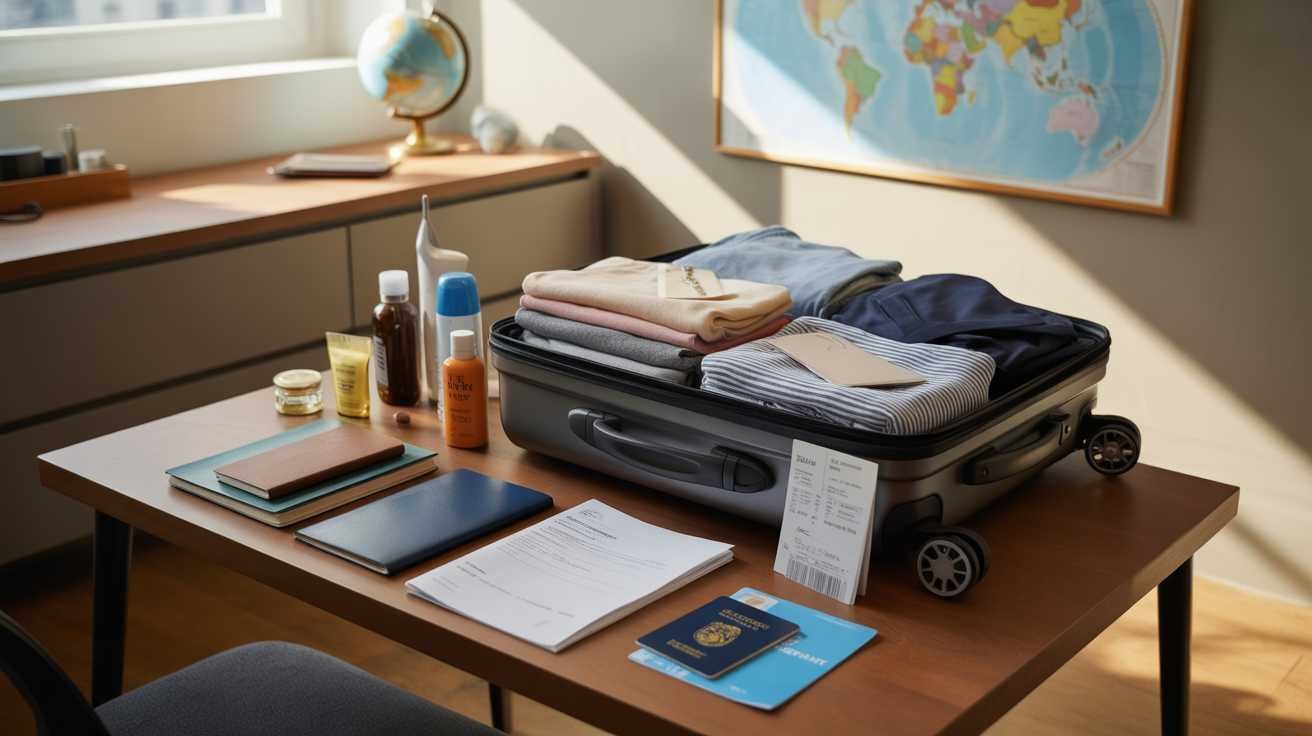
Understanding the Urgency of Packing Before Departure
Every year, thousands of students embark on the thrilling yet nerve-wracking journey of moving abroad to pursue higher education. The excitement of studying in a new country, meeting diverse peers, and exploring unfamiliar cities is palpable. Yet, lurking beneath this excitement is a pressing urgency: packing. Procrastination can lead to forgotten essentials, lost opportunities, and even wasted tuition if key documents or items are left behind. Imagine arriving in a new city, jet-lagged and disoriented, only to realize your laptop charger, essential medication, or critical academic documents are missing. Such oversights are not just inconvenient – they can derail your first crucial days of settling in. Students often underestimate the importance of a systematic, comprehensive packing approach, which is why this checklist is designed to instill a sense of urgency and ensure nothing is left behind. From clothing to tech gadgets, and academic essentials to personal comfort items, every aspect has been meticulously considered. Time-sensitive preparations, like obtaining student visas or confirming accommodation, should coincide with physical packing to avoid last-minute panic. Students have shared on educational forums that even seasoned travelers often regret leaving behind seemingly minor items that become indispensable once they arrive abroad. Recognizing this urgency early can transform a chaotic pre-departure phase into a smooth, confidence-boosting experience, ultimately allowing students to step into their new life fully prepared and stress-free.
Gathering Academic Essentials Before Packing
When moving abroad, the backbone of a student’s preparation lies in academic essentials. Books, lecture notes, stationery, and crucial documents such as transcripts, visa copies, and acceptance letters must be prioritized. Imagine rushing through a bustling airport only to realize you forgot your admission documents, which could halt your enrollment process. Beyond these basics, digital tools are indispensable in modern education. Laptops, tablets, and external hard drives containing study materials, project files, and research databases should be meticulously organized and backed up. Consider adding USB drives or cloud storage subscriptions to ensure redundancy. Additionally, educational subscriptions and online platforms might require region-specific access or VPNs for continuity, which ties into the subtle but increasingly significant realm of advertising in education. Universities often promote essential digital tools and educational subscriptions through targeted advertising campaigns, and being aware of these can enhance your academic readiness. Experts suggest creating a checklist tailored to course requirements, verifying which textbooks are available digitally or can be purchased locally to avoid overpacking. Packing academic essentials with foresight ensures that students arrive fully prepared, giving them the confidence to start their courses on the right foot, while avoiding last-minute scrambles that could compromise their academic performance.
Essential Clothing and Seasonal Considerations
Packing clothing for an international move is deceptively complex. Students must navigate fluctuating climates, cultural expectations, and the practicalities of limited luggage space. Layering is critical, allowing adaptability to both chilly mornings and hot afternoons. For colder destinations, heavy jackets, thermals, and waterproof footwear become indispensable, while warmer climates demand breathable fabrics, hats, and sun protection. Accessories such as scarves, gloves, or even cultural attire may be necessary depending on the host country’s customs and university events. Importantly, overpacking is a frequent pitfall; students should focus on versatile pieces that mix and match efficiently. Many seasoned students recommend packing at least a week’s worth of clothing while leaving room for shopping locally, which not only alleviates luggage constraints but also allows immersion in local fashion and lifestyle trends. In parallel, advertising in education often highlights smart packing techniques, fashion recommendations, and essential lifestyle products for international students, providing valuable insights on optimizing wardrobe choices for both practicality and style. Paying attention to these recommendations ensures students feel comfortable, confident, and culturally appropriate in their new environment, transforming an otherwise overwhelming packing process into a strategic, informed, and stress-free exercise.
Health and Personal Care Essentials
Health and personal care items are frequently overlooked but remain among the most critical packing priorities. Prescribed medications, vitamins, first-aid kits, hygiene products, and skincare items must be considered essential, not optional. Consider that different countries may restrict certain medications or impose pharmacy access limitations; packing adequate supplies can prevent medical emergencies and reduce unnecessary stress. Students should also carry digital copies of prescriptions and relevant medical records in case they need to access healthcare abroad. Personal care routines contribute directly to comfort and confidence, so items like toothpaste, shampoo, deodorant, and sanitary products must be accounted for meticulously. Interestingly, advertising in education often integrates health guidance for international students, including travel-friendly hygiene products and region-specific recommendations, emphasizing the importance of being proactive about self-care. Ensuring all personal health essentials are packed not only safeguards physical well-being but also fosters mental resilience, providing students with the foundation to tackle academic and social challenges without the distraction of preventable health issues.
Electronics and Connectivity Must-Haves
In today’s digitally driven educational landscape, electronics are indispensable. Laptops, tablets, smartphones, and chargers form the core of an international student’s toolkit, enabling access to coursework, communication, and social networks. Portable power banks, universal adapters, and protective cases ensure devices remain functional and secure in unfamiliar environments. Consider high-resolution webcams and microphones if virtual participation in lectures or collaborative projects is expected. Students often underestimate the weight and volume of cables, adapters, and peripheral devices, making pre-departure organization essential. Moreover, advertising in education increasingly emphasizes digital readiness, highlighting devices, software, and apps critical for academic success abroad. By following recommended packing strategies for electronics, students mitigate the risk of technology-related disruptions, ensuring seamless access to study materials, online libraries, and collaborative platforms, while remaining connected to family, mentors, and peers globally. This preparation not only enhances productivity but also supports a smooth transition into the academic and social fabric of the host country.
Travel Documents and Financial Preparations
Arguably, the most urgent aspect of international relocation is ensuring that all travel documents and financial instruments are meticulously prepared. Passports, student visas, airline tickets, travel insurance, and emergency contacts must be double-checked and securely packed in accessible compartments. Misplacing even one item can cause severe delays or denial of entry. In addition, financial preparedness is crucial; students should carry international credit/debit cards, emergency cash, and verify banking arrangements in the host country. Educational institutions and trusted industry sources often provide detailed guidelines on currency regulations and secure payment methods, ensuring a smooth financial transition. The role of advertising in education becomes evident here as well, as universities and financial service providers target students with guidance on the safest and most efficient ways to manage money abroad. By preemptively addressing travel and financial logistics, students can mitigate stress, prevent emergencies, and maintain control over their mobility and lifestyle during the critical initial phase of their international journey.
Packing for Comfort and Convenience
Beyond essentials, packing items for personal comfort and convenience significantly enhances the student experience abroad. Travel pillows, compact blankets, noise-canceling headphones, reusable water bottles, and snacks make long flights and initial days more manageable. Dormitory or rented accommodation may lack familiar comforts, so items like lightweight bedding, laundry bags, and versatile kitchen utensils can bridge this gap. Experienced international students highlight that seemingly minor conveniences can dramatically improve adaptation speed and emotional well-being, particularly during periods of jet lag, culture shock, or academic stress. Additionally, insights from advertising in education often showcase innovative products designed specifically for student mobility, combining portability with practical functionality. By anticipating needs for comfort and convenience, students proactively enhance both daily living and academic performance, creating a smoother, more enjoyable, and less stressful transition into their new academic environment.
Local Research and Cultural Preparation
Packing extends beyond physical items; students must also equip themselves with knowledge of the host culture, local customs, and university-specific expectations. Familiarity with regional clothing norms, dietary habits, public transportation systems, and local laws can prevent discomfort or inadvertent faux pas. Cultural readiness is an invisible but critical component of packing, ensuring students navigate social interactions and academic settings with confidence and respect. For instance, understanding university codes of conduct, local student support services, and community engagement opportunities allows students to integrate smoothly into campus life. The intersection with advertising in education becomes apparent, as educational campaigns frequently highlight cultural orientation programs, workshops, and local guides, encouraging students to immerse themselves fully in their new environment. Engaging proactively with cultural preparation reduces anxiety, fosters positive first impressions, and enhances the overall international experience, making the move abroad not just a logistical challenge but an enriching personal adventure.
Final Tips and Last-Minute Checks
As the departure date approaches, the sense of urgency peaks. Students must conduct final checks, ensuring that every item on their comprehensive packing list is accounted for. Double-checking luggage, securing fragile items, confirming accommodation, and reviewing travel documents prevents last-minute panic. Peer-reviewed student forums and verified travel sources emphasize the importance of labeling luggage clearly, packing carry-on essentials thoughtfully, and maintaining an organized inventory to streamline arrivals. Additionally, engaging with trusted educational advisory platforms can provide real-time tips, alerts, and verified guidance on packing, travel, and settling in. Awareness of advertising in education campaigns can highlight valuable products, services, or digital tools previously overlooked, ensuring students are fully prepared. These final steps, executed with care and attention, not only prevent stress but also instill a sense of confidence and readiness, allowing students to step into their new life abroad with excitement, purpose, and the reassurance that they are fully equipped for success.