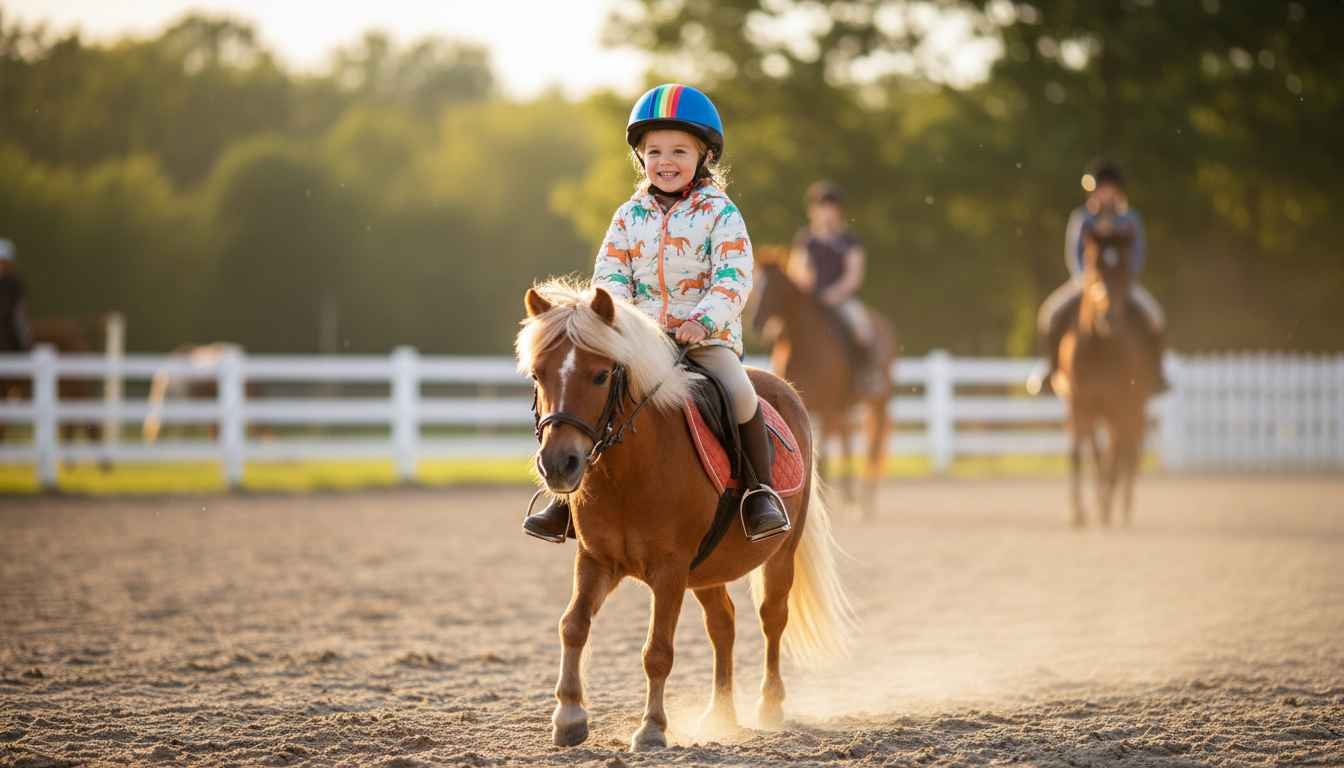
Imagine if you could send your child to horse riding lessons fully equipped with gear that not only looks stylish but also ensures maximum safety. For many parents, the challenge isn’t just finding clothes that fit well – it’s finding items that protect, perform, and endure the rigors of riding while keeping kids comfortable and confident.
The problem begins with the sheer variety of options available in the market. From helmets and boots to breeches and gloves, each piece serves a specific purpose, and compromising on any of them can put a child at risk. Choosing the wrong material, fit, or style might lead to discomfort, skin irritation, or even accidents while riding. Parents often face confusion over which brands are reliable, which fabrics are breathable, and which items are genuinely safe versus those that are merely trendy.
The Agitation of Inadequate Gear
Many parents overlook small details, thinking that any generic sportswear will suffice. But horse riding is a dynamic activity involving balance, grip, and protection against potential falls or scrapes. Ill-fitting helmets can shift during movement, non-grip boots can lead to slips, and synthetic fabrics that don’t breathe can leave a child overheated during extended lessons. The consequences range from minor discomfort to serious safety hazards.
Additionally, children grow quickly, which adds another layer of complexity. Buying clothes that are slightly larger for future use may seem practical, but oversized gear can hinder movement and reduce safety. On the other hand, gear that is too tight can restrict circulation and limit flexibility, making riding an uncomfortable or even unsafe experience.
Step-by-Step Guide to Choosing the Right Horse Riding Clothes for Kids
Step 1: Prioritize Safety First. Start with a certified helmet that fits snugly without pressure points. Look for helmets that meet ASTM/SEI standards and include adjustable straps for secure fitting. A risk-free approach is to choose brands that offer a money-back guarantee if the helmet doesn’t fit perfectly.
Step 2: Select Durable Riding Boots. Boots should provide firm ankle support, a slight heel to prevent slipping through stirrups, and a non-slip sole. Leather boots tend to last longer, while synthetic options offer lighter weight for smaller children.
Step 3: Invest in Breathable Riding Pants. Breeches or jodhpurs should be made of stretchy, moisture-wicking material that allows full mobility while minimizing chafing. Reinforced knee patches or full-seat designs improve grip and stability in the saddle.
Step 4: Choose Comfort-Driven Tops. Long-sleeved shirts or polo tops protect from sun exposure and minor scrapes while keeping the child cool. Fabrics with natural fibers or blends that promote airflow are ideal for extended riding sessions.
Step 5: Add Protective Accessories. Gloves enhance grip and prevent blisters, while body protectors or vests offer additional safety for beginners or when jumping. Always check that accessories fit properly and do not restrict movement.
Step 6: Monitor Growth and Adjust Accordingly. Regularly check the fit of all gear and replace items as your child grows. Some brands offer adjustable options that extend usability, but nothing replaces proper fitting for safety.
Step 7: Trusted Sources Matter. Purchasing from reputable suppliers ensures the quality, safety standards, and durability of the clothing. For parents seeking guidance and a curated selection, Guidecraft provides resources and product recommendations specifically for young riders.
Potential Drawbacks and Who Should Avoid Certain Gear
Even the best gear has potential drawbacks if misused. Oversized boots can compromise safety, while synthetic fabrics that trap heat may not suit children with sensitive skin. Parents should avoid brands that do not provide clear sizing charts or safety certifications. Also, toddlers or very young children may require specialized gear that differs from standard youth sizes to accommodate developmental differences.
Ensuring Comfort Without Compromising Safety
Balancing comfort with protection is crucial. Layering lightweight fabrics can prevent overheating, while ensuring helmets, boots, and gloves fit snugly keeps children safe. Encouraging kids to try on clothing before purchase ensures they feel comfortable and confident, reducing distractions and discomfort while riding. A thoughtful approach also instills good habits in children about valuing safety and preparedness.
In conclusion, selecting horse riding clothes for kids requires prudence, careful evaluation of materials, fit, and safety certifications, and a willingness to invest in quality products. Parents who take these steps can provide children with a secure, enjoyable riding experience that promotes confidence, safety, and a lifelong love for equestrian activities.