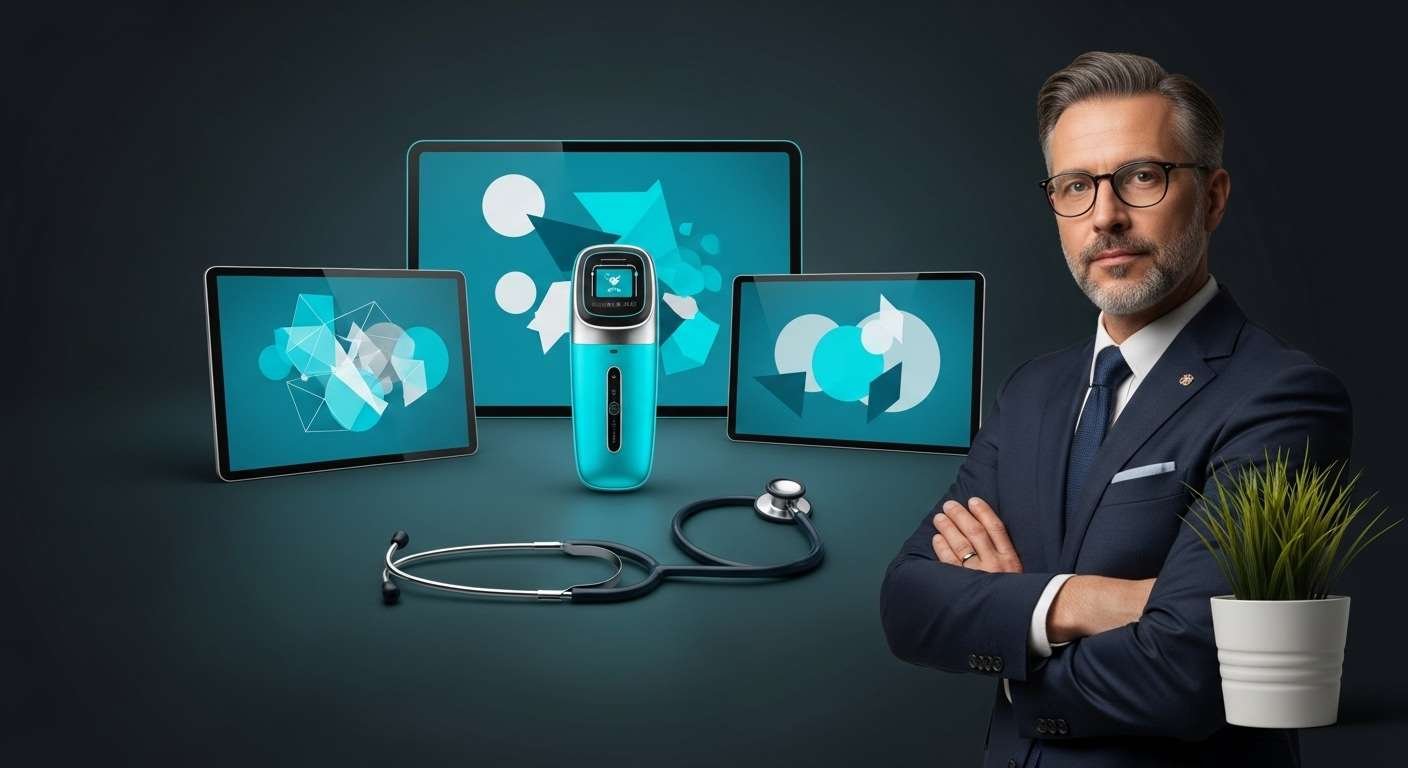
In a world where information is abundant yet often fragmented, public health education programs serve as beacons of clarity, guiding individuals toward healthier lifestyles and communities. These programs are not merely informative; they are transformative, igniting a collective consciousness that prioritizes well-being. The urgency of embracing such initiatives cannot be overstated, as they are pivotal in combating the rising tide of preventable diseases and health disparities.
The Crucial Role of Public Health Education
Public health education is the cornerstone of a proactive approach to health. It empowers individuals with the knowledge to make informed decisions about their health, thereby reducing the prevalence of chronic diseases and enhancing quality of life. By disseminating information on nutrition, exercise, mental health, and preventive care, these programs foster a culture of wellness that permeates communities. The impact is profound: healthier individuals contribute to more vibrant, resilient societies.
Community Engagement: The Heartbeat of Health Education
Effective public health education transcends traditional classroom settings; it thrives in the heart of communities. Through workshops, seminars, and outreach programs, educators connect with individuals where they live, work, and play. This grassroots approach ensures that health messages are tailored to the unique needs and cultures of each community, making the information more relatable and actionable. The result is a more engaged populace, equipped to tackle health challenges head-on.
Addressing Health Disparities Through Education
Health disparities remain a significant challenge, particularly among marginalized populations. Public health education programs are instrumental in bridging these gaps by providing equitable access to health information and resources. By focusing on underserved communities, these programs ensure that all individuals, regardless of socioeconomic status, have the tools to lead healthy lives. This inclusive approach not only improves individual health outcomes but also strengthens the social fabric of communities.
Preventing Disease: The Power of Knowledge
Prevention is the most effective form of healthcare, and public health education is the vehicle that drives preventive measures. By educating individuals about risk factors and healthy behaviors, these programs reduce the incidence of diseases such as diabetes, heart disease, and certain cancers. Moreover, they promote mental health awareness, helping to destigmatize conditions like depression and anxiety, and encouraging individuals to seek help when needed.
Innovative Strategies in Health Education
As the landscape of healthcare evolves, so too must the strategies employed in health education. Innovative approaches, such as digital health platforms, mobile health applications, and interactive media, are revolutionizing how information is disseminated. These tools provide real-time access to health resources, enabling individuals to monitor their health and make informed decisions at their fingertips. The integration of technology into health education ensures that information is accessible, timely, and engaging.
The Economic Impact of Health Education
Investing in public health education yields significant economic benefits. By reducing the burden of preventable diseases, these programs decrease healthcare costs and increase productivity. Healthier individuals are more likely to be employed, contribute to the economy, and require fewer medical interventions. Furthermore, communities with robust health education programs experience lower rates of absenteeism in schools and workplaces, leading to a more dynamic and prosperous society.
Global Perspectives on Health Education
Public health education is a global imperative, with countries around the world recognizing its importance in promoting health and well-being. International organizations, such as the World Health Organization, advocate for comprehensive health education policies that encompass all aspects of health, including physical, mental, and social well-being. By sharing knowledge and best practices, nations can collaborate to address global health challenges and improve health outcomes worldwide.
The Future of Public Health Education
The future of public health education is promising, with advancements in technology and a growing emphasis on personalized care. As data analytics and artificial intelligence play an increasingly prominent role in healthcare, health education programs are poised to offer tailored information that meets the specific needs of individuals. This personalized approach ensures that health education remains relevant and effective, empowering individuals to take control of their health journeys.
Call to Action: Embrace Health Education Today
The time to act is now. Public health education programs are not just beneficial; they are essential. By supporting and participating in these initiatives, individuals and communities can pave the way for a healthier future. Whether through attending workshops, advocating for health education policies, or simply sharing knowledge with others, each action contributes to a collective effort to improve health outcomes. Embrace the power of education, and take the first step toward a healthier tomorrow.