In today’s fast-paced, technology-driven world, the demand for highly skilled professionals in STEM (Science, Technology, Engineering, and Mathematics) careers is growing at an unprecedented rate. As industries continue to evolve, companies are on the lookout for individuals who possess not only theoretical knowledge but also practical, hands-on expertise. That’s where robotics and coding kits come into play. These innovative tools are revolutionizing the way young learners develop the crucial skills needed for future STEM careers. If you haven’t yet embraced the power of robotics and coding kits in your educational journey, now is the time. The clock is ticking, and you don’t want to miss out on the opportunities that these kits present.
Imagine a world where every student, regardless of their background, has access to the tools and resources that enable them to build robots, create software, and solve real-world problems. This vision is becoming a reality thanks to the growing popularity of robotics and coding kits. These kits are transforming education, allowing students to gain practical experience that can set them apart in a competitive job market. The benefits are endless, from fostering creativity and problem-solving skills to preparing students for the challenges of tomorrow’s workforce. If you want to stay ahead of the curve, it’s crucial to understand the immense value these kits bring to education.
The Future of STEM Careers: Why Robotics and Coding Matter
The future of work is being shaped by automation, artificial intelligence, and cutting-edge technology. Robotics and coding are at the heart of this transformation, making them essential skills for anyone interested in pursuing a STEM career. From computer programmers to mechanical engineers, the ability to code and understand robotics is no longer a luxury – it’s a necessity. With these skills, individuals can design innovative solutions, streamline operations, and contribute to groundbreaking technological advancements. Whether you aspire to work in aerospace, automotive, healthcare, or any other field, a strong foundation in robotics and coding will provide you with a competitive edge.
The integration of robotics and coding into education is not just about preparing students for specific job roles. It’s about equipping them with a mindset of innovation, problem-solving, and adaptability. As industries become more reliant on technology, the demand for professionals who can think critically and tackle complex challenges will only increase. Students who engage with robotics and coding kits are not only learning to build machines – they are developing a deep understanding of how systems work, how to approach problems methodically, and how to create solutions that make a real difference. These are the skills that will set them apart in the job market.
How Robotics Kits Foster Critical Thinking and Problem-Solving
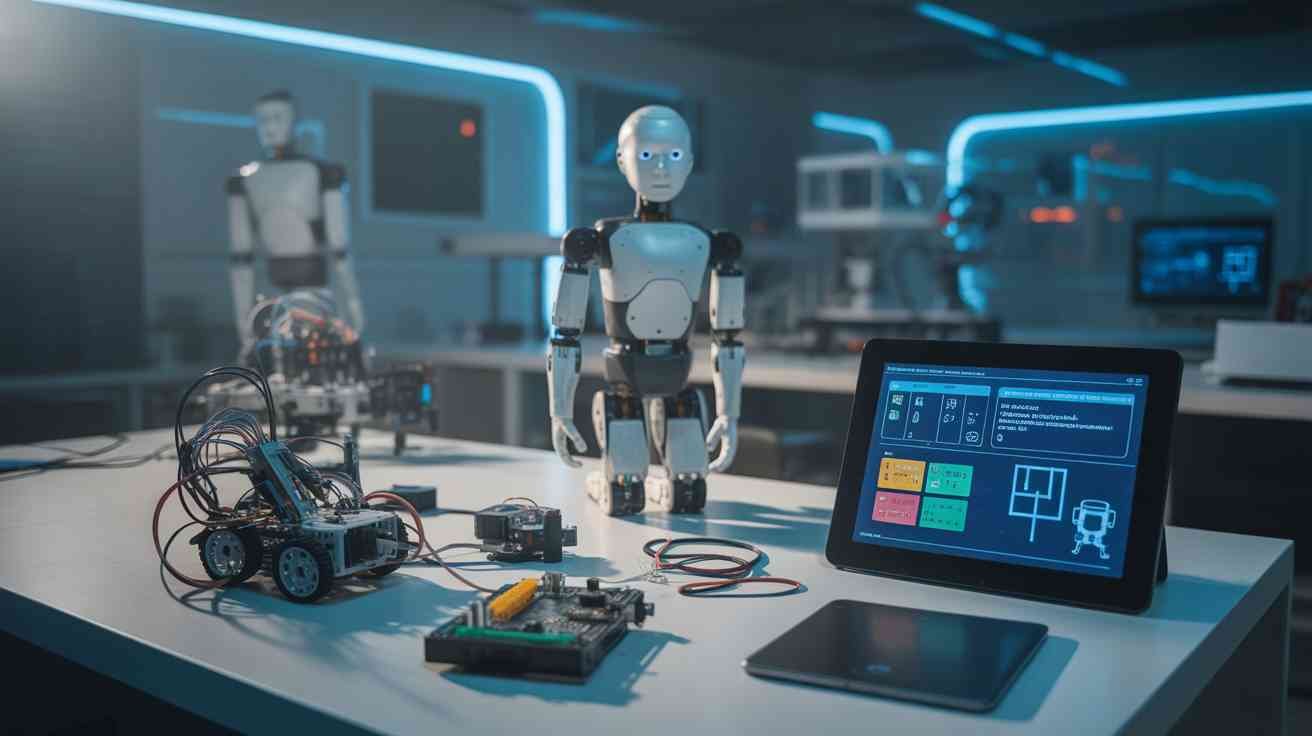
One of the most powerful aspects of robotics kits is their ability to foster critical thinking and problem-solving skills. When students are tasked with building robots, they must navigate challenges such as wiring, programming, and troubleshooting. This hands-on experience requires them to think logically, identify potential solutions, and persist through failure until they achieve success. This is the essence of problem-solving: breaking down complex problems into manageable parts, testing hypotheses, and iterating until the right solution is found. These skills are invaluable in any STEM career, where the ability to think critically and approach problems from multiple angles is a key to success.
In addition to encouraging critical thinking, robotics kits also promote teamwork and collaboration. Many projects require students to work in groups, combining their individual skills to achieve a common goal. This collaborative environment mirrors the way real-world STEM professionals operate. Whether in engineering teams or software development projects, being able to communicate effectively, share ideas, and work together towards a solution is crucial. Robotics kits offer a practical, engaging way for students to develop these teamwork skills while also learning the technical aspects of robotics and coding.
Bringing STEM to Life with Coding Kits
Coding kits are another game-changing tool for developing practical STEM skills. These kits allow students to learn programming languages, create software, and understand how the digital world works. Much like robotics kits, coding kits provide hands-on experience that goes beyond theory. Rather than simply reading about coding in a textbook, students get to experiment with code, troubleshoot errors, and see their creations come to life on the screen. This interactive, immersive experience helps solidify their understanding of programming concepts and prepares them for the real-world challenges they’ll face in a tech-driven job market.
The beauty of coding kits lies in their versatility. They can be used to teach a wide range of programming languages – from simple block-based coding to more advanced languages like Python or JavaScript. This flexibility ensures that students of all ages and skill levels can engage with coding in a meaningful way. Whether you’re introducing young children to basic coding concepts or helping high school students master complex algorithms, coding kits provide a structured yet creative environment for learning. As coding continues to become an essential skill in the workforce, coding kits are giving students the tools they need to thrive.
The Role of Robotics and Coding in Preparing Students for Future Jobs
As the job market continues to evolve, the demand for individuals with coding and robotics expertise is growing rapidly. Industries are seeking professionals who can design, develop, and implement innovative solutions that leverage the power of automation, artificial intelligence, and robotics. By incorporating robotics and coding kits into education, students are being prepared to fill these high-demand roles. Whether it’s building autonomous robots, developing software applications, or designing smart devices, the skills gained from these kits are directly applicable to real-world jobs.
Moreover, the exposure to robotics and coding in education helps students build a portfolio of tangible projects that can be showcased to potential employers. These projects demonstrate not only technical proficiency but also the ability to think critically, work collaboratively, and solve complex problems. In a competitive job market, having a portfolio of successful projects can be the deciding factor that sets one candidate apart from another. The earlier students gain experience with these tools, the better equipped they’ll be to navigate the challenges of the modern workforce.
The Hands-On Learning Experience: How Robotics and Coding Kits Engage Students
Unlike traditional methods of teaching, robotics and coding kits offer a highly interactive, hands-on learning experience. This approach appeals to students’ natural curiosity and desire to explore. By engaging directly with the tools and technologies they’re learning about, students are more likely to retain the knowledge and skills they gain. The process of physically building a robot or writing code to create a program provides immediate feedback, allowing students to see the results of their efforts in real time. This dynamic, active learning environment fosters engagement and motivation, making STEM education more exciting and accessible.
Furthermore, the use of robotics and coding kits allows students to experiment, make mistakes, and learn from their failures in a safe, supportive environment. In traditional classroom settings, students often feel pressured to get everything right on the first try. With robotics and coding kits, however, failure is seen as a valuable part of the learning process. Students are encouraged to experiment, test their ideas, and refine their approaches, which helps develop resilience and a growth mindset – essential qualities for success in any career.
The Power of Early Exposure: Why Start with Robotics and Coding Kits Now?
When it comes to building a successful career in STEM, timing is everything. The earlier students are introduced to robotics and coding, the more likely they are to develop a deep understanding of these subjects and pursue careers in related fields. Early exposure to these kits sparks curiosity and creativity, helping students develop a passion for technology and innovation. As they grow older, their skills become more advanced, and they can tackle increasingly complex projects with ease. By starting young, students have the opportunity to build a strong foundation that will serve them well throughout their educational journey and beyond.
In fact, research has shown that early exposure to STEM subjects significantly improves students’ chances of pursuing careers in science, technology, engineering, and mathematics. Robotics and coding kits are the perfect tools to facilitate this exposure. With these kits, students gain the confidence and skills they need to take on the challenges of STEM fields. The earlier they start, the better prepared they’ll be for the opportunities that await them in the future.
Building Practical, Real-World Skills with Robotics and Coding Kits
One of the key advantages of robotics and coding kits is that they provide students with practical, real-world skills. These kits go beyond theoretical knowledge by enabling students to build functioning robots, write code, and solve real-world problems. This hands-on experience is invaluable, as it allows students to directly apply what they’ve learned to tangible projects. Whether they’re designing a robot to perform a specific task or coding a program to solve a particular problem, students are gaining the kind of practical, technical skills that are highly sought after by employers in STEM fields.
In addition to technical skills, robotics and coding kits also help students develop soft skills such as communication, teamwork, and time management. These are the skills that enable professionals to thrive in collaborative environments and navigate the demands of the workplace. By working on projects with others, students learn how to divide tasks, share responsibilities, and communicate their ideas effectively. These experiences are crucial for preparing students for the teamwork-oriented environments they’ll encounter in their future careers.