Why Gamification Is Revolutionizing Education
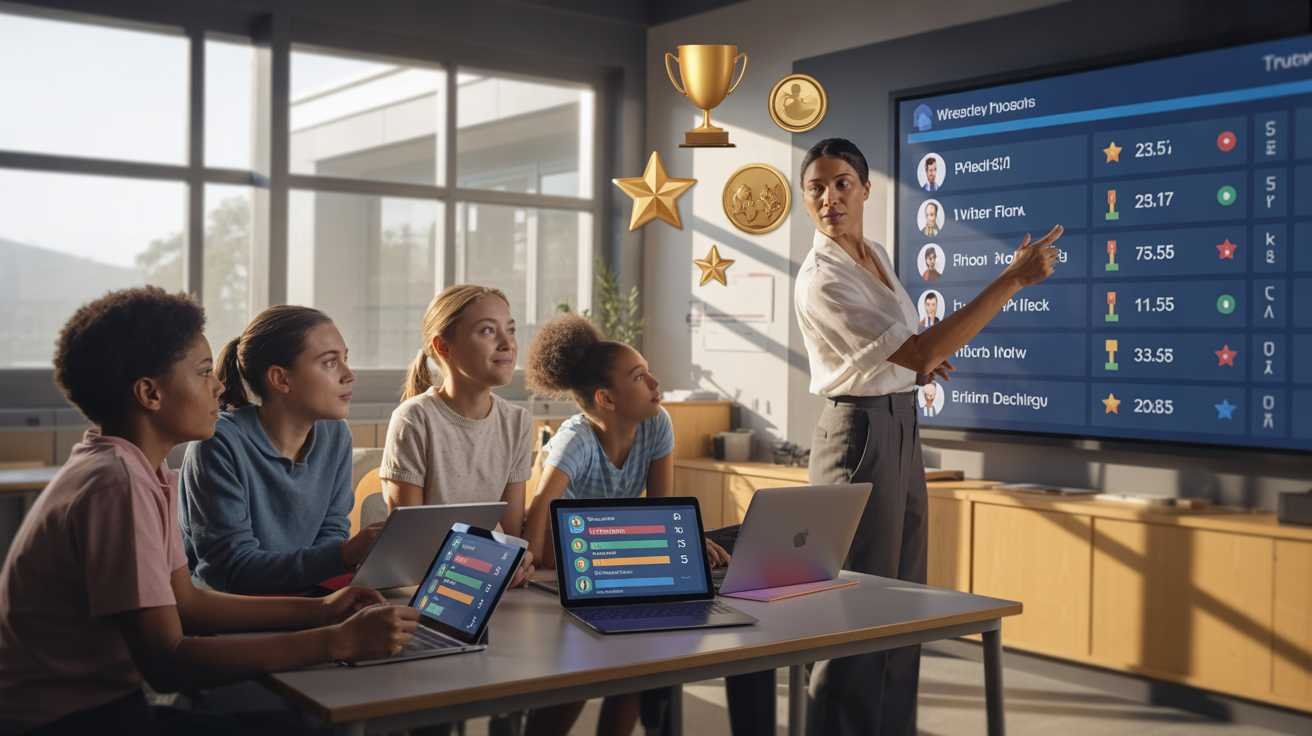
The landscape of education is rapidly evolving, and one of the most significant changes in recent years has been the rise of gamification in the classroom. Teachers are no longer confined to traditional methods of instruction, where students are passively receiving information. Instead, educators are now embracing dynamic, interactive learning experiences that engage students on a deeper level. The inclusion of points, badges, and leaderboards has quickly become a game-changer, offering an innovative way to motivate students, foster a sense of competition, and create a fun and rewarding atmosphere. These gamified elements are designed to evoke excitement and engagement, with each achievement, whether big or small, contributing to a student’s growth. Imagine a classroom where every student’s progress is tracked, celebrated, and rewarded – where every task feels like a challenge, and every achievement earns recognition. This is the power of gamification in action, and it’s transforming the way students engage with their learning materials.
The Science Behind Motivation: Why Points Matter
Points aren’t just arbitrary numbers – they are a symbol of achievement, a tangible representation of progress. The power of points lies in their ability to trigger intrinsic and extrinsic motivation. Students, particularly those in boces special education programs, often face unique challenges in maintaining engagement and motivation. The structure of points provides clear, measurable goals, making it easier for students to see their progress. This sense of achievement, whether earned through answering questions correctly, completing assignments on time, or participating in class discussions, motivates students to keep pushing forward. The best part? This process is individualized. A student who may be struggling in one area can focus on achieving small, incremental points that build confidence and drive. In fact, research has shown that gamification strategies, including points systems, can dramatically improve a student’s focus, attention, and overall academic performance. By making learning tangible and rewarding, points serve as a constant reminder that success is within reach.
The Power of Badges: More Than Just a Symbol of Achievement
Badges are one of the most visually engaging elements of gamification. These digital or physical rewards are not just cute icons; they serve as a powerful recognition of a student’s effort and growth. For teachers, badges act as a visual cue that highlights a student’s accomplishments in specific areas, whether it’s mastering a subject, showing perseverance, or achieving academic milestones. Badges can motivate students in boces special education programs by recognizing achievements that go beyond traditional grades. These non-academic accomplishments – like overcoming a learning difficulty or showing significant improvement – can be celebrated with badges, which helps to boost self-esteem and self-confidence. For example, a student struggling with reading might receive a “Reading Champion” badge after completing a set of reading exercises, turning a seemingly mundane task into a source of pride and motivation. The key is that badges make the abstract concept of success tangible. They offer students something to strive for, something they can physically see and celebrate as part of their educational journey.
Leaderboards: Fueling Healthy Competition in the Classroom
Leaderboards have the potential to create a thrilling sense of competition and achievement. However, it’s not about creating a toxic or stressful environment; it’s about offering healthy competition that encourages students to do their best. When students see their names rise on a leaderboard, it sparks a sense of pride and accomplishment. For teachers, leaderboards provide an effective tool to visually track and share progress, which can be particularly motivating for students in boces special education programs. Unlike traditional grading systems, where the focus is on pass/fail criteria, leaderboards celebrate all achievements – no matter how small. Every step forward is tracked and rewarded. This method also allows for students to focus on their personal growth. They may not always reach the top, but each move up the leaderboard serves as a reflection of their hard work and dedication. The leaderboard becomes a source of motivation, not just for students at the top, but for those striving to climb higher with every effort they make.
How to Integrate Points, Badges, and Leaderboards Into Your Classroom
Integrating points, badges, and leaderboards into the classroom may seem daunting at first, but the truth is, it’s easier than you think. The first step is setting clear, achievable goals for your students. These goals should be tied to both short-term and long-term academic achievements. Once these objectives are in place, assign point values to various tasks, such as completing assignments, answering questions correctly, or participating in class activities. Students can then work towards accumulating points to unlock different levels of rewards. Badges can be awarded based on specific criteria – whether it’s mastery of a particular skill, consistent effort, or teamwork. Finally, create a leaderboard that is displayed prominently in the classroom (or virtually) to track the progress of each student. This leaderboard could be organized by total points or specific categories, depending on your objectives. The key to success is ensuring that every student has a chance to succeed, no matter where they start. Gamification works best when it’s accessible and inclusive, offering everyone an opportunity to excel.
Real-World Benefits: Why This Approach Works
One of the greatest strengths of using points, badges, and leaderboards in education is that it taps into real-world psychology. Students, especially those in boces special education programs, thrive when they see tangible rewards for their hard work. These elements encourage a growth mindset – where students understand that effort leads to improvement and that each step forward is a valuable part of the learning process. According to several studies, gamification can improve not only academic performance but also social-emotional skills. When students are rewarded for progress, they experience an emotional boost that enhances their motivation and engagement. They feel seen, heard, and recognized for their efforts, which leads to increased confidence and a greater sense of ownership over their learning. In addition, gamified systems are adaptable, allowing teachers to adjust the difficulty level and rewards as needed to meet the diverse needs of their students. This creates an environment where every student, regardless of their starting point, can experience success.
Addressing the Challenges: What to Watch Out For
While gamification holds immense promise, it’s essential to be mindful of potential pitfalls. One of the primary concerns is ensuring that the system remains fair and equitable. Students in boces special education programs may face unique challenges that could hinder their ability to accumulate points or climb the leaderboard as quickly as their peers. It’s important to create a system that is both motivating and inclusive, where every student feels supported and encouraged. This might involve offering alternative rewards for students who may not be able to participate in traditional ways, such as granting points for effort or improvement rather than just raw performance. Additionally, the leaderboard should not become a source of anxiety. For some students, being at the bottom of the leaderboard can be demoralizing. Therefore, teachers should be mindful of how leaderboards are displayed, ensuring they focus on personal growth rather than strict competition. Incorporating regular feedback, personal check-ins, and collaborative challenges can also help balance the competitive aspects with a sense of community and teamwork.
Student Success Stories: How Points, Badges, and Leaderboards Have Made a Difference
In many classrooms, the shift to a gamified approach has sparked incredible transformations. Take, for example, the story of Maria, a student in a boces special education program who struggled with motivation. Before her school integrated a system of points and badges, she was disengaged and often fell behind. But when her teacher introduced a leaderboard, with points for every small victory, Maria’s attitude changed. She began participating more in class, determined to earn her next badge. By the end of the semester, Maria had earned several badges for reading, math, and improving her teamwork skills. Her teacher reported that not only did Maria’s academic performance improve, but her self-esteem also soared. This is just one example of how gamification can transform the learning experience. Stories like Maria’s are happening every day, as teachers across the country witness firsthand the power of points, badges, and leaderboards in motivating their students to achieve more than they ever thought possible.
How to Get Started: Practical Tips for Teachers
If you’re eager to incorporate gamification into your classroom, it’s important to start small. Begin by introducing points for specific tasks and use them to track student progress. As students get used to this system, introduce badges that can be awarded for mastery of particular concepts or skills. Keep the atmosphere positive and supportive, ensuring that every student, regardless of their ability level, feels like they can succeed. Don’t forget to create an inclusive leaderboard that celebrates every student’s growth. Remember, the goal is not to foster unhealthy competition, but to provide a clear, visible path to success. As you grow more comfortable with the system, you can incorporate more complex elements, such as levels, challenges, and rewards. The possibilities are endless, and the impact on student engagement and motivation will be profound.