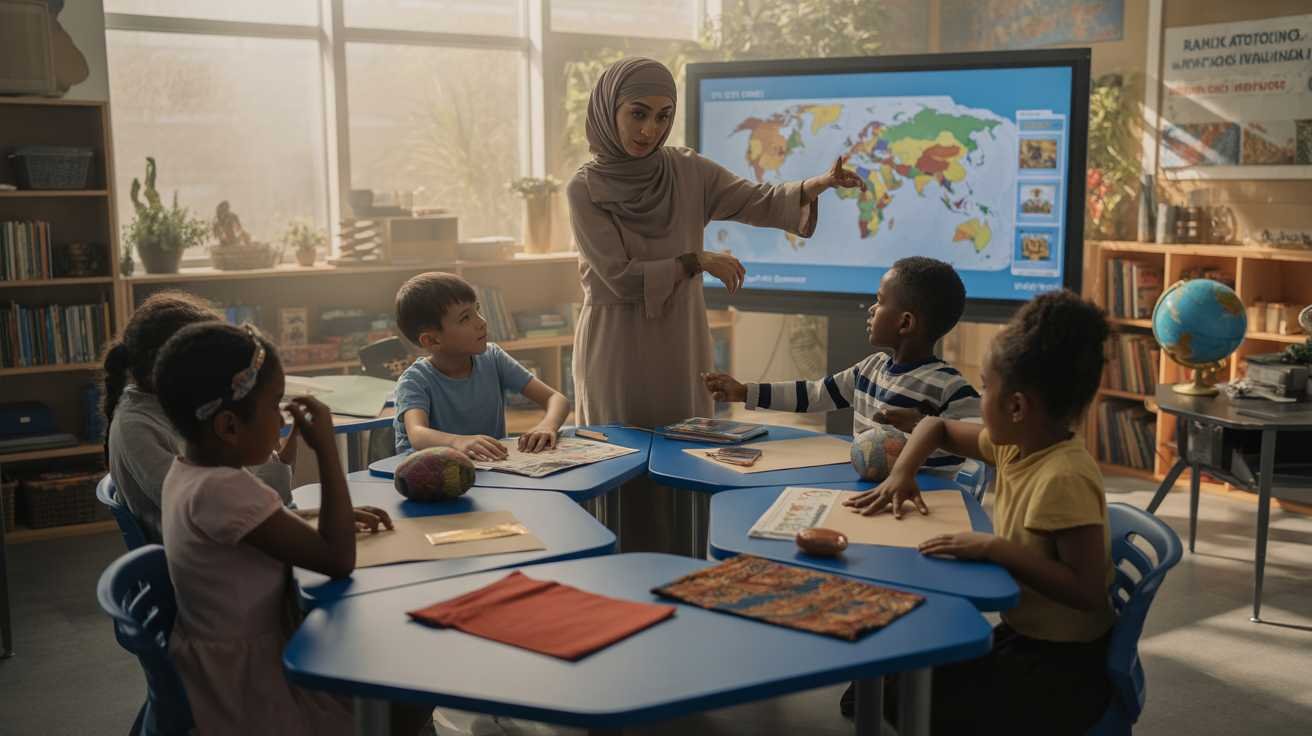
In today’s rapidly evolving educational landscape, the call for innovative teaching approaches in multicultural classrooms has never been more urgent. As classrooms become increasingly diverse, educators face the challenge of meeting the needs of students from various cultural backgrounds. This article delves into effective strategies that not only foster inclusivity but also enhance learning outcomes, making these approaches indispensable for modern educators.
Understanding the Multicultural Classroom
A multicultural classroom is a microcosm of the global community, where students from diverse cultural, linguistic, and socio-economic backgrounds converge. This diversity presents both opportunities and challenges. Educators must navigate these differences to create an environment where every student feels valued and understood. The richness of perspectives in such classrooms can lead to a more dynamic and engaging learning experience, provided that teaching strategies are thoughtfully implemented.
One of the primary challenges in multicultural classrooms is addressing the varying learning styles and needs of students. Traditional teaching methods may not be effective for all students, especially those who are English language learners or come from non-traditional educational backgrounds. Therefore, it is crucial for educators to adopt flexible teaching strategies that cater to the diverse needs of their students. This may involve differentiating instruction, incorporating culturally relevant materials, and fostering an inclusive classroom culture that celebrates diversity.
Embracing Culturally Responsive Teaching
Culturally responsive teaching is an approach that recognizes the importance of including students’ cultural references in all aspects of learning. This method aims to make learning more relevant and effective for students from diverse backgrounds. By integrating students’ cultural contexts into the curriculum, educators can bridge the gap between students’ home lives and school experiences, leading to improved engagement and academic success.
Implementing culturally responsive teaching involves several key strategies. Educators should strive to understand the cultural backgrounds of their students and incorporate this knowledge into lesson planning. This can be achieved by selecting texts and materials that reflect the diverse cultures of the students, using teaching methods that are inclusive and equitable, and creating a classroom environment that respects and values cultural differences. Additionally, fostering open communication and encouraging students to share their cultural experiences can enrich the learning environment and promote mutual respect among peers.
Utilizing Technology to Enhance Learning
Incorporating technology into the classroom can significantly enhance learning experiences, especially in multicultural settings. Digital tools and resources can provide students with access to a wealth of information and learning opportunities beyond the traditional classroom walls. Technology can also facilitate personalized learning, allowing students to progress at their own pace and according to their individual needs.
For educators, technology offers innovative ways to engage students and support diverse learning styles. Interactive platforms, educational apps, and online resources can be used to create dynamic and interactive lessons that cater to the varied interests and abilities of students. Moreover, technology can facilitate communication and collaboration among students from different cultural backgrounds, promoting a sense of community and shared learning experiences. By leveraging technology effectively, educators can create a more inclusive and engaging learning environment that meets the needs of all students.
Promoting Social and Emotional Learning
Social and emotional learning (SEL) is an essential component of education that focuses on developing students’ ability to manage emotions, establish positive relationships, and make responsible decisions. In multicultural classrooms, SEL plays a pivotal role in fostering an inclusive and supportive learning environment. By promoting SEL, educators can help students navigate the complexities of cultural differences and build empathy and understanding among peers.
Implementing SEL strategies involves integrating activities and discussions that encourage self-awareness, self-regulation, social awareness, relationship skills, and responsible decision-making. Educators can incorporate SEL into daily routines through group activities, role-playing exercises, and reflective discussions that explore themes of diversity, equity, and inclusion. By embedding SEL into the curriculum, educators can create a classroom culture that values emotional intelligence and interpersonal skills, which are crucial for success in a diverse society.
Collaborative Learning and Peer Interactions
Collaborative learning is an instructional approach that involves students working together to achieve common academic goals. This method is particularly effective in multicultural classrooms, as it encourages students to share their diverse perspectives and learn from one another. Through collaboration, students develop critical thinking, communication, and problem-solving skills, while also gaining a deeper appreciation for cultural diversity.
To promote collaborative learning, educators can design group projects and activities that require students to work together and leverage their unique strengths and perspectives. Assigning roles within groups can ensure that all students are actively engaged and contribute to the group’s success. Additionally, creating a classroom environment that encourages open communication and mutual respect is essential for fostering effective collaboration. By facilitating collaborative learning experiences, educators can enhance student engagement and promote a sense of community within the classroom.
Inclusive Assessment Practices
Assessment is a fundamental aspect of education, providing valuable insights into student learning and progress. In multicultural classrooms, it is crucial to implement inclusive assessment practices that accommodate the diverse needs and backgrounds of students. Traditional assessment methods may not accurately reflect the abilities and potential of all students, particularly those from culturally and linguistically diverse backgrounds.
Inclusive assessment practices involve using a variety of assessment methods that are fair, equitable, and culturally responsive. This may include formative assessments, performance-based assessments, and alternative assessments that allow students to demonstrate their learning in different ways. Educators should also consider the cultural contexts of students when designing assessments, ensuring that tasks are relevant and accessible to all learners. By adopting inclusive assessment practices, educators can provide a more accurate representation of student learning and support the success of every student.
Professional Development for Educators
Continuous professional development is essential for educators to stay informed about the latest research, strategies, and tools for teaching in multicultural classrooms. Engaging in professional development opportunities allows educators to enhance their skills, broaden their perspectives, and improve their effectiveness in meeting the needs of diverse students.
Professional development programs should focus on topics such as culturally responsive teaching, inclusive practices, social and emotional learning, and the use of technology in education. These programs can take various forms, including workshops, seminars, online courses, and collaborative learning communities. By participating in professional development, educators can build their capacity to create inclusive and equitable learning environments that support the success of all students.
Building Strong Community Partnerships
Establishing strong partnerships with families and communities is vital for the success of multicultural education. When educators collaborate with families and community organizations, they can create a support network that enhances student learning and well-being. Engaging families in the educational process fosters a sense of belonging and encourages students to take pride in their cultural identities.
To build effective community partnerships, educators should engage in open and respectful communication with families, seek input on educational practices, and involve community members in school activities and decision-making processes. Organizing cultural events, workshops, and family nights can provide opportunities for families to connect with the school and each other. By fostering strong community partnerships, educators can create a collaborative and supportive environment that promotes student success and celebrates cultural diversity.
Conclusion: The Urgency of Embracing Innovative Teaching Approaches
The urgency of adopting innovative teaching approaches in multicultural classrooms cannot be overstated. As classrooms become more diverse, educators must be proactive in implementing strategies that foster inclusivity, respect, and understanding. By embracing culturally responsive teaching, utilizing technology, promoting social and emotional learning, encouraging collaborative learning, implementing inclusive assessment practices, engaging in professional development, and building strong community partnerships, educators can create learning environments that support the success of all students.
For education supervisors and administrators, the need to support and facilitate these innovative approaches is paramount. Providing educators with the resources, training, and support necessary to implement these strategies ensures that all students have the opportunity to succeed. The future of education depends on our commitment to embracing diversity and fostering inclusive learning environments that prepare students for a global society.