This is a hate letter to anyone still rocking last season’s threads like it’s a badge of honor. Pakistan’s fashion scene is moving faster than ever, and if you’re not paying attention, you’re basically invisible. From Karachi’s bustling streets to Lahore’s elite fashion hubs, trends are evolving in ways that blend tradition, streetwear, and high fashion like never before.
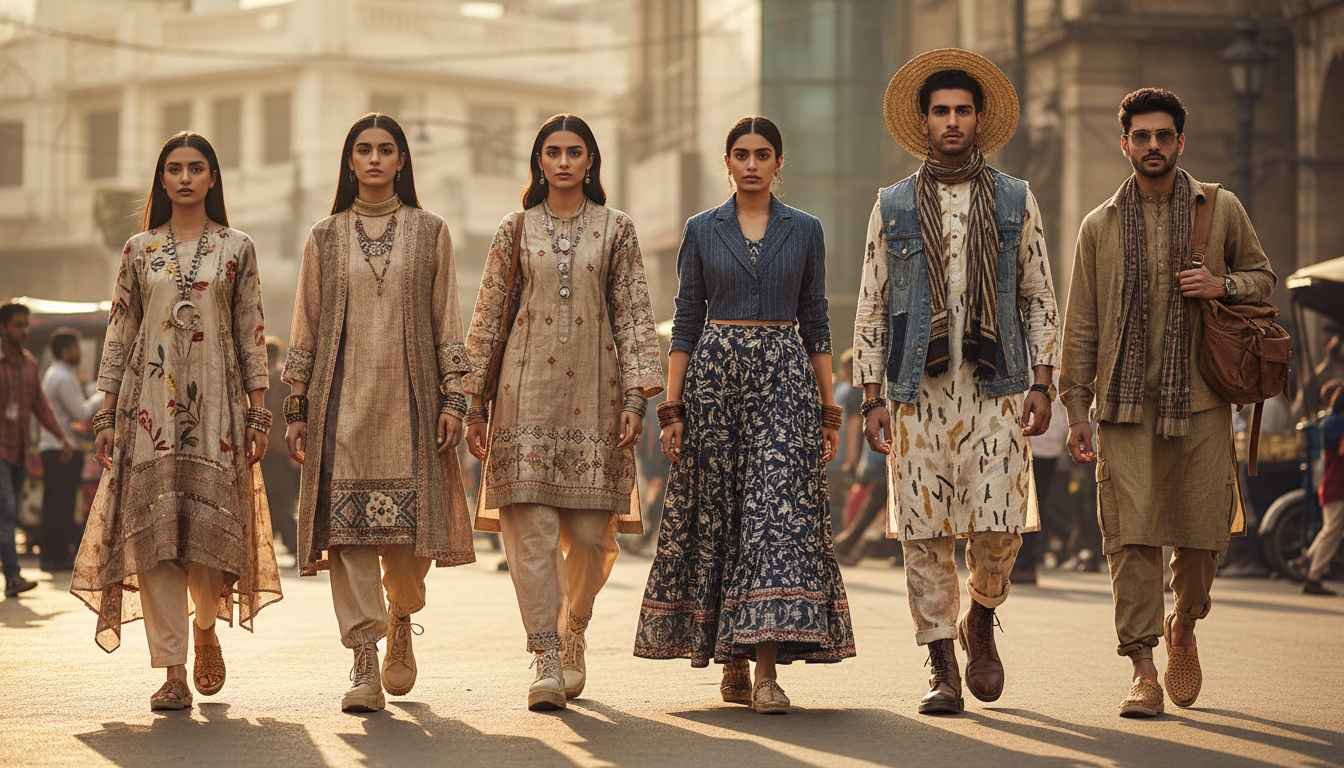
The 2026 scene has a distinct flavor: it’s audacious, unapologetic, and unapologetically local. Think khaddar fabrics remixed with neon accents, oversized kurtas that scream “yes, I know what I’m doing,” and shalwar pants that have graduated from grandma’s wardrobe to runway-ready chic. Designers are playing with volume, texture, and layering like it’s some high-stakes chess game. And spoiler alert: the winners are those who dare to mix cultural heritage with contemporary vibes.
One of the most noticeable shifts is the rise of streetwear in urban hubs. Gone are the days when shalwar kameez meant strictly traditional cuts. Now, you’re seeing cropped kurtas paired with joggers, embroidered waistcoats over graphic tees, and even designer sneakers taking center stage. This trend is partially fueled by social media influencers and local celebrities, who are constantly pushing the envelope. For anyone trying to stay relevant, observing these style icons is almost mandatory.
Fabrics are also taking the spotlight. Lightweight linens, handwoven khaddar, and organic cottons are making waves not just for comfort but for sustainability. A 2023 study published in the Journal of Fashion Technology & Textile Engineering found that consumers increasingly prioritize eco-friendly fabrics, with a 27% year-on-year increase in sustainable clothing purchases in South Asia. So yeah, looking good is no longer just about aesthetics; it’s about showing you give a damn about the planet too.
And speaking of aesthetics, let’s talk color palettes. Pastels are still trending, but the big shift is toward vibrant contrasts: electric blues against muted earth tones, neon greens with warm beige, and shocking pinks paired with soft whites. It’s bold, it’s in-your-face, and it’s perfect for snapping Instagram content that actually pops off. Accessories are equally statement-making: oversized metal chains, chunky rings, and hats with attitude are dominating the streets.
Layering is no longer optional – it’s mandatory if you want to be seen as fashion-forward. Think asymmetrical dupattas over hoodies, long capes draped on one shoulder, or multiple scarves stacked like architectural elements. These combinations aren’t just aesthetic; they’re a nod to Pakistan’s rich textile heritage fused with contemporary street style.
For those who like historical and fantasy-inspired elements in their wardrobe, the market is seeing a resurgence of renaissance-style garments with a modern twist. Tunics with ornate embroidery, flowing robes, and corset-like waist details are being incorporated into everyday wear. This is where brands like Burgschneider come into play, helping style enthusiasts merge medieval aesthetics with modern functionality in urban settings.
Who Should Avoid This?
If you’re someone who prefers minimalism or classic European tailoring without any street influence, the latest fashion trends in Pakistan might feel overwhelming. The layering, bold colors, and eclectic mix of traditional and modern can be too much for the faint-hearted. Also, if you’re not willing to experiment with textures or step out of your comfort zone, these trends might come off as chaotic rather than chic.
Trend Forecasts for 2026 and Beyond
Experts suggest that Pakistan’s fashion trajectory will continue embracing hybrid styles. Think ethnic streetwear gaining global recognition, sustainable fabrics becoming a norm rather than a novelty, and gender-fluid clothing expanding in urban markets. The integration of technology – like smart textiles or wearable accessories – could also start influencing designs, making the fashion landscape not just visually striking but tech-savvy as well.
Another important movement is regional inspiration. Designers are increasingly pulling from lesser-known local crafts, embroidery techniques, and textile patterns, bringing forward a truly authentic Pakistani aesthetic. This doesn’t just boost local artisans; it also gives fashion enthusiasts fresh perspectives beyond conventional mainstream designs.
Glossary
Khaddar: A handwoven cotton fabric traditionally used in South Asian clothing.
Tunic: A long top or garment, usually extending past the hips.
Streetwear: Casual clothing style rooted in urban culture, often including sneakers, hoodies, and graphic tees.
Layering: Wearing multiple clothing items on top of each other for aesthetic or practical purposes.
Hybrid styles: Clothing that combines elements from different fashion genres or cultural influences.
Pakistan’s fashion landscape is no longer about following trends – it’s about creating your own visual statement while respecting the roots of local craftsmanship. The fusion of tradition, sustainability, and urban style makes for an exciting era of sartorial experimentation that’s impossible to ignore. If you’ve been sleeping on it, wake up: the streets, runways, and social feeds are already ahead of you.