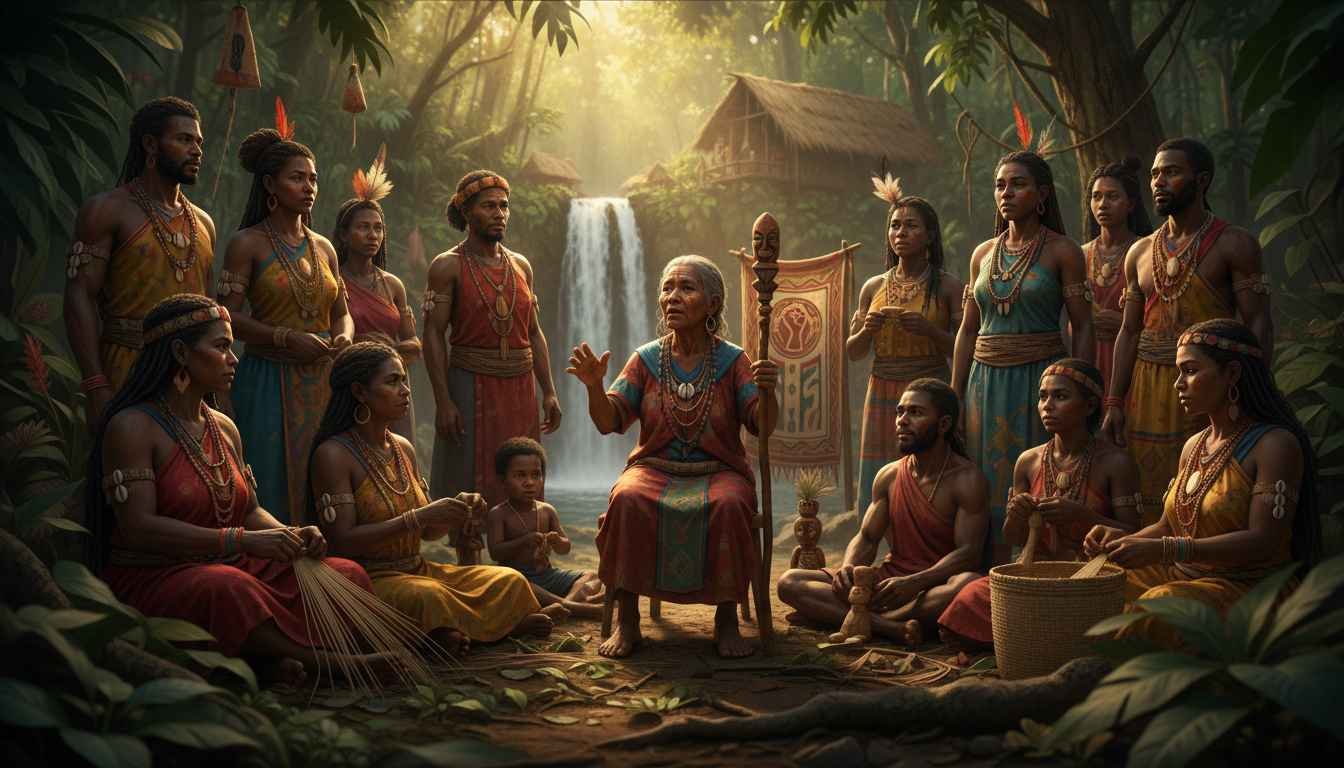
Think of a car built in the 18th century. It’s rugged, self-reliant, and designed to handle rough terrain without guidance. That’s exactly what maroon societies were – autonomous communities that carved out existence in the margins of colonial empires. They weren’t just runaways; they were strategists, architects, and the ultimate survivalists of their time.
Maroon societies emerged predominantly in the Americas, where enslaved Africans fled plantations to establish independent settlements in remote regions. From the mountains of Jamaica to the dense forests of Suriname, these communities thrived in environments colonial powers considered impassable. Their success wasn’t accidental. It was a combination of terrain knowledge, communal organization, and a shared understanding of resistance that allowed them to sustain their autonomy for decades.
Unlike conventional societies shaped by external governance, maroon communities created internal political systems, often led by leaders with military and diplomatic expertise. These leaders negotiated truces, orchestrated raids, and maintained social cohesion under extreme pressure. The survival strategies were practical: alliances with indigenous groups, crop cultivation suited to the local ecosystem, and defensive positioning in natural fortresses. Essentially, maroons turned geography into a tool of liberation.
Understanding maroon societies in AP World History requires recognizing their dual role: they were both a reaction to enslavement and an innovative form of societal design. Their economies were largely subsistence-based but occasionally traded with outsiders, allowing some material prosperity without compromising autonomy. Cultural retention was significant; language, spiritual practices, and kinship networks preserved African heritage while adapting to new environments. This synthesis of tradition and pragmatism made maroon communities resilient and culturally vibrant.
Home • Kansas Reflector provides additional context on the historical significance of these societies, highlighting how their influence shaped the dynamics of colonial resistance and identity formation across the Americas.
Decision Matrix: Maroon Societies Survival Strategies
| If X | Then Y |
|---|---|
| Community faces colonial attack | Use terrain for defense and retreat strategically |
| Resource scarcity occurs | Implement diverse subsistence farming and hunting techniques |
| Need for alliance | Engage neighboring indigenous or escaped communities diplomatically |
| Internal conflict arises | Enforce leadership councils and communal dispute resolution |
| Threat of cultural erosion | Preserve language, rituals, and oral history |
How Maroon Societies Shaped Colonial Resistance
Colonial authorities underestimated the tactical intelligence of maroon societies. Guerrilla warfare tactics, swift raids on plantations, and sabotage of colonial infrastructure challenged the European dominance. These societies not only protected their freedom but indirectly inspired broader resistance movements. The very existence of maroons demonstrated that enslaved populations could self-govern and successfully resist systemic oppression without external support.
Beyond military prowess, maroons influenced the socio-political landscape. Treaties with colonial powers, like the one in Jamaica in 1739, recognized their autonomy formally, creating a legal acknowledgment of sovereignty that was rare in colonial history. Such agreements were practical for both sides – colonial powers reduced costly military campaigns, while maroons secured long-term survival. This delicate balance underscores the strategic negotiation skills that defined maroon leadership.
Potential Drawbacks to Maroon Societies
Life in maroon communities, while freeing, was not without severe challenges. Geographic isolation limited access to medical care and wider economic markets. Food security depended on environmental conditions; droughts or soil exhaustion could jeopardize survival. Additionally, internal disputes over leadership and resource allocation sometimes escalated into violence. Social cohesion was essential, but maintaining it required constant vigilance and adaptive governance.
Another risk was colonial retaliation. Treaties could be revoked, or external powers could deploy larger forces to crush settlements. Maroon leaders needed foresight, diplomacy, and tactical expertise to anticipate such threats. The very independence that made them resilient also made their survival precarious, illustrating the delicate balance between autonomy and vulnerability.
Legacy of Maroon Societies
Today, maroon societies are studied not only as historical phenomena but as symbols of resistance, innovation, and cultural preservation. They reshaped the social and political dynamics of colonial territories and left a lasting imprint on cultural landscapes in the Caribbean and South America. Their stories illuminate how marginalized groups can develop sustainable governance, defense strategies, and cultural identity under extreme adversity. For students of AP World History, these societies provide a compelling case study in agency, adaptation, and resilience.
Understanding the “why” behind maroon success – the combination of environmental mastery, social organization, and cultural retention – offers lessons that extend beyond history into sociology, political science, and human rights studies. These communities weren’t anomalies; they were testaments to strategic planning and human endurance against systemic oppression.